


Fundraising events are critical for nonprofit organizations, schools, and community groups to generate revenue and boost involvement. Successful events require meticulous planning, creative ideas, and strategic promotion. This guide outlines essential strategies—from goal-setting and budgeting to innovative themes and post-event analysis—to design engaging fundraisers that overcome challenges like low turnout and budget constraints.
What Are the Key Elements of Successful Fundraising Event Planning?
Successful planning begins with clear objectives, detailed preparation, and understanding target audiences. Organizers must set specific goals, know their demographic, and establish measurable benchmarks.
How Do You Define Clear Goals and Objectives for Fundraising Events?
Clear, quantifiable goals provide a roadmap for success. Setting targets, such as increasing funds by a given percentage or boosting attendance, enables teams to align efforts—from social media promotion to volunteer coordination—and assess improvements after each event. This approach delivers transparency and facilitates strategic adjustments.
What Budgeting Strategies Ensure Effective Fundraising Event Execution?
A detailed budget covering venue, logistics, marketing, and entertainment is crucial. Allocating funds for unexpected challenges and leveraging sponsorships or in-kind donations help maximize revenue while ensuring transparency. Effective budgeting builds trust with sponsors and stakeholders and keeps spending in check.
How Can Timelines and Task Management Improve Event Preparation?
Creating a comprehensive timeline—divided into planning, promotion, execution, and follow-up—ensures all tasks are completed ahead of time. Using project management software and clear task assignments minimizes last-minute stress, guarantees vendor bookings and marketing material preparation, and contributes to a well-organized event.
How Can You Design Fundraising Events That Attract Large Audiences?

Designing events for large audiences requires creativity and insight into attendee preferences. Blending solid planning with fun, interactive elements and distinctive themes helps create memorable experiences that build lasting relationships with donors and supporters.
What Types of Fundraising Events Are Most Engaging for Schools and Non-Profits?
Engaging event types include charity auctions, gala dinners, fun runs, and family-friendly carnival days or talent shows. For example, schools might organize challenges that excite students, while nonprofits can host themed galas that attract local business sponsors. Selecting an event that reflects the organization’s mission and audience interests is key.
How Do You Incorporate Fun and Interactive Elements to Boost Attendance?
Live entertainment, interactive games, digital photo booths, and live streaming segments elevate the event experience. Casual competitions and unique auction items can stimulate excitement and social media sharing. These interactive elements foster a sense of community, encouraging higher participation and potentially greater donations.
How Can Themes and Unique Concepts Increase Event Excitement?
Distinct themes help events stand out and energize participants. Whether a masquerade ball, futuristic “tech challenge,” or sports-themed “Hour-A-Thon,” a well-chosen theme inspires creative decor and interactive challenges. Such themes promote shareable moments and bolster post-event marketing efforts, enhancing overall engagement and future turnout.
What Are the Best Marketing and Promotion Strategies to Maximize Participation?
Robust promotion is essential to maximize both attendance and fundraising success. Integrated campaigns that use digital and traditional channels ensure that events reach a wide audience.
How Do You Identify and Target the Right Audience for Fundraising Events?
Analyzing demographic data, past attendance, and donor patterns helps tailor promotional messages. Creating buyer personas for parents, business owners, or alumni and using customer relationship management tools can refine targeting, ensuring messages resonate and drive turnout.
Which Social Media Campaigns Drive Attendance for Fundraising Events?
Social media campaigns that use engaging visuals, event teasers, and interactive contests can spark interest. Platforms like Facebook, Instagram, and Twitter enable targeted ads and meaningful influencer partnerships, while live streams and countdown posts build anticipation and organically grow the audience.
How Can Traditional Marketing Methods Complement Online Promotion?
Traditional methods such as print ads, community radio, direct mail, flyers, and local business partnerships are effective, especially for reaching audiences less active online. Combining these with digital strategies creates a comprehensive outreach plan that broadens market penetration and enhances event visibility.
How Do You Manage Event Execution to Ensure a Smooth and Engaging Experience?

Reliable execution relies on coordinated pre-event planning and responsive on-site management. Communication, volunteer coordination, and contingency plans are vital to maintaining a smooth and engaging event flow.
What Are Effective Volunteer Management Techniques for Fundraising Events?
Recruiting skilled volunteers and clearly defining their roles ensures smooth operations. Providing thorough training, using digital scheduling tools, and offering recognition or incentives keeps volunteers motivated and contributes to overall event success.
How Do You Handle Logistics and on-Site Challenges Efficiently?
Developing contingency plans for technical issues, weather changes, or schedule modifications is crucial. Using project management software and on-site communication apps allows teams to quickly resolve problems. Detailed checklists covering venue setup, equipment testing, and safety protocols help minimize disruptions during the event.
How Can You Maintain Attendee Engagement Throughout the Event?
Engaging attendees with interactive sessions, live entertainment, and real-time social media integration is key. Using mobile apps or digital kiosks for instant feedback, along with scheduled breaks that offer surprise giveaways or live demos, helps sustain energy levels and encourages ongoing participation.
How Can Post-Event Analysis Improve Future Fundraising Events?
Systematic post-event analysis is essential to refine future strategies. Evaluating key performance metrics and gathering attendee feedback helps organizers understand what worked and what needs improvement.
What Metrics Should You Track to Measure Fundraising Event Success?
Key metrics include total funds raised, attendance figures, social media engagement rates, and volunteer satisfaction. Data such as average donation per attendee or increase in first-time donors can offer valuable insights to inform future strategies.
How Do You Collect and Use Attendee Feedback Effectively?
Short surveys distributed via email or mobile apps immediately post-event can capture feedback on logistics, overall satisfaction, and areas for enhancement. Analyzing this feedback helps refine future events, builds trust with participants, and ensures continuous improvement.
What Are Best Practices for Reporting Results and Planning Next Steps?
Creating comprehensive reports that combine quantitative data with qualitative insights is essential. Organizers should use tables and charts to present financial breakdowns, attendance, and promotional effectiveness, thereby guiding strategic planning for upcoming events with transparency and accountability.
How Can Schools Maximize Participation in Sports Fundraising Events to Reach Financial Goals?
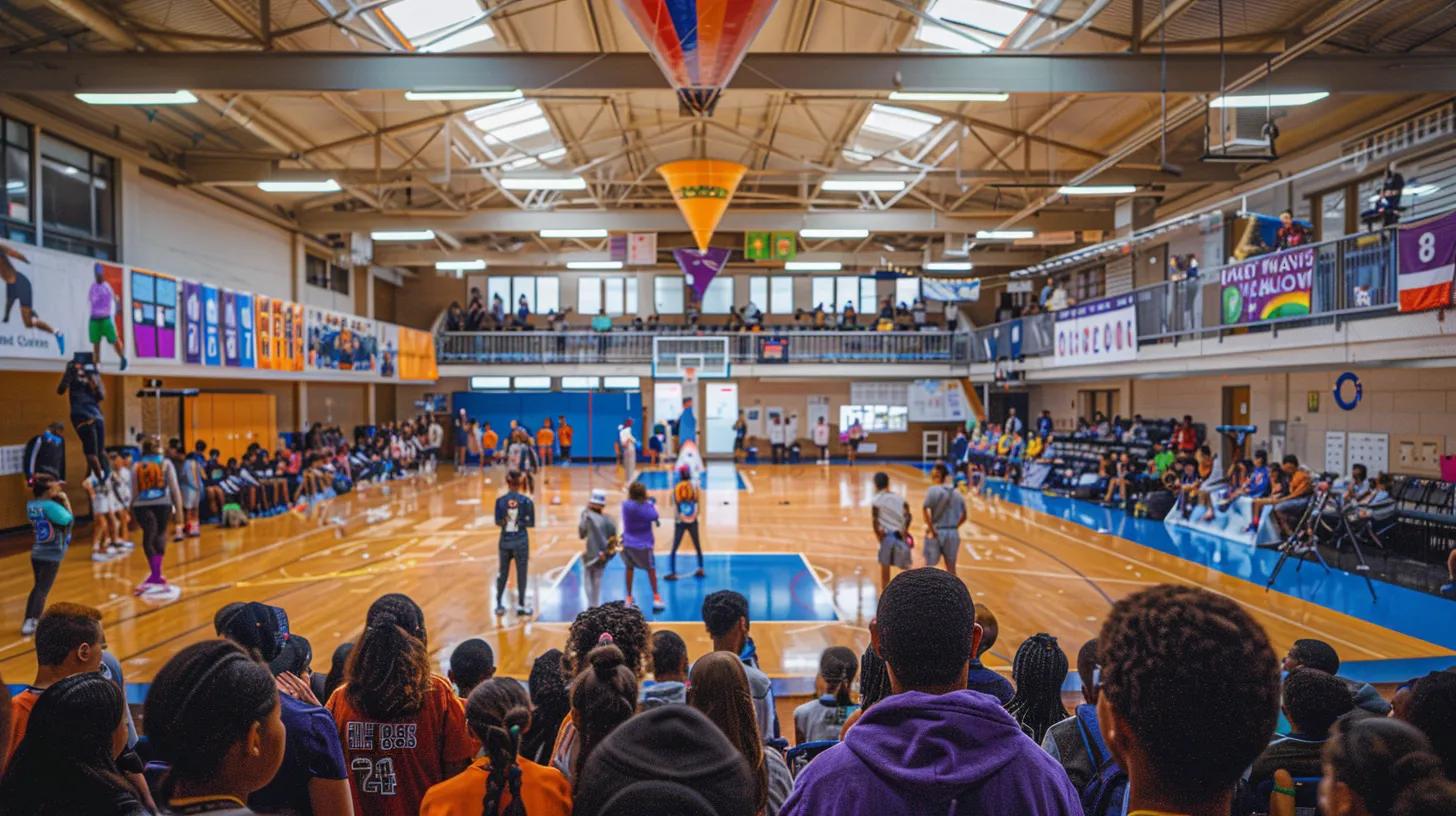
Sports fundraisers offer schools an effective way to support athletic programs and extracurricular activities. These events tap into the passion of students, parents, and local supporters, fostering community spirit while raising significant funds.
What Fundraising Ideas Work Best for School Sports Teams?
Fundraising ideas for school sports include sponsored tournaments, charity runs, and mini-olympics. “Hour-A-Thon” events, where teams compete in physical challenges, and auctions featuring memorabilia or skills clinics hosted by star athletes, effectively combine fun with fundraising.
How Do You Engage Students, Parents, and Community in Sports Fundraisers?
Engagement is driven by clear communication through newsletters, social media, and community bulletin boards. Involving students in event planning and execution, hosting pre-event meetings, and offering incentives such as recognition awards can significantly boost enthusiasm and participation.
How Can Incentives and Rewards Boost Participation in School Fundraisers?
Offering tangible rewards like gift vouchers, recognition plaques, or exclusive experiences can motivate participation. Incentives create healthy competition and help foster a culture of giving, thereby increasing attendance and donations on the event day and beyond.
What Are Common Challenges in Fundraising Events and How Can You Overcome Them?
Common challenges like low attendance, budget constraints, and on-site issues require proactive and creative solutions. Addressing these potential obstacles early on can lead to smoother, more successful events.
How Do You Manage Low Attendance and Increase Turnout?
Strengthening promotional campaigns with early bird discounts, referral incentives, and local influencer partnerships can boost attendance. Partnering with community organizations and maintaining consistent follow-up via email and social media ensures gaps are promptly addressed.
What Are Solutions for Budget Constraints in Fundraising Events?
Managing budget constraints includes negotiating vendor discounts, leveraging volunteer talent, and securing local sponsorships. Exploring cost-effective digital options like live streaming or virtual auctions, along with diligent tracking of expenditures, helps maximize funds raised.
How Can You Adapt Events for Changing Circumstances or Restrictions?
Flexibility is key to adapting events for unforeseen challenges such as weather disruptions or health restrictions. Preparing contingency plans, considering hybrid formats that mix physical and virtual participation, and utilizing project management tools ensure events remain resilient and successful.
Frequently Asked Questions
Q: What makes a fundraising event engaging for a school community? A: Engaging events blend interactive activities, clear goals, inclusive themes, and both digital and traditional marketing strategies to attract diverse participants.
Q: How can clear objectives improve event success? A: Clear objectives provide measurable targets and align efforts across all aspects of the event, leading to better organization and successful fundraising outcomes.
Q: What role does volunteer management play in ensuring event success? A: Efficient volunteer management ensures smooth on-site operations through proper role assignment, effective training, and strong communication.
Q: How do contingency plans benefit fundraising events? A: Contingency plans enable organizers to swiftly address unforeseen issues, maintaining a seamless event flow and minimizing disruptions.
Q: What types of events are best for boosting school sports funding? A: Tournaments, “Hour-A-Thon” challenges, fun runs, and themed auctions are effective at engaging students, parents, and the local community, driving high participation and revenue.
Final Thoughts
Fundraising events require clear objectives, innovative design, strategic marketing, and precise execution to engage target audiences effectively. By focusing on every element—from goal setting and budgeting to volunteer coordination and post-event analysis—organizers can create impactful events that build community and meet financial goals. Adaptive strategies and detailed performance metrics ensure continuous improvement, making successful fundraising events both profitable revenue generators and strong community builders.

Share This Story, Choose Your Platform!

About the Author:
Michael Braunstein
is a fundraising expert and founder of Hour-A-Thon.


